Join the second FaithHealth Cohort beginning this fall!
A CITIES FOR BETTER HEALTH-HOUSTON PROGRAM
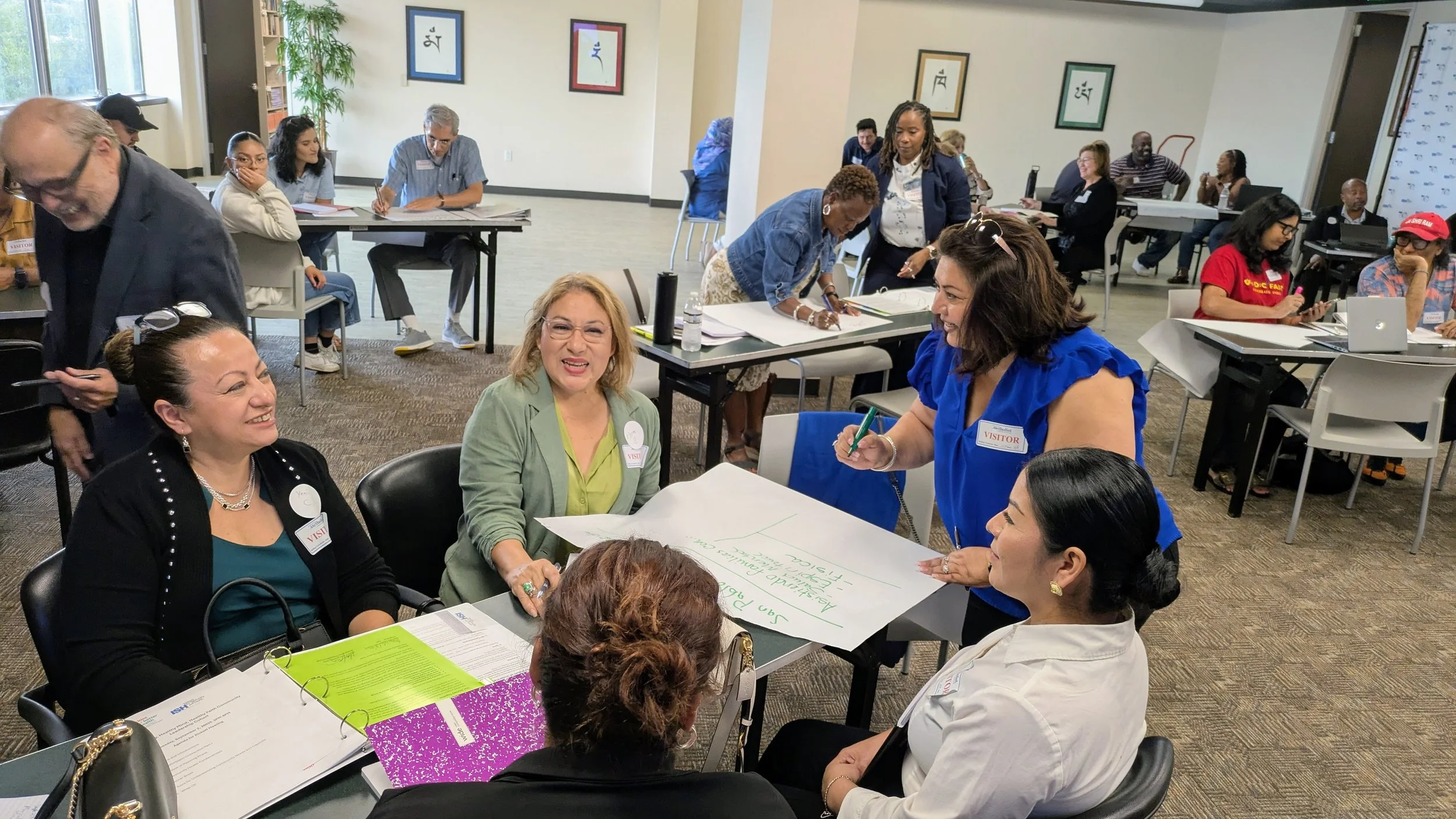
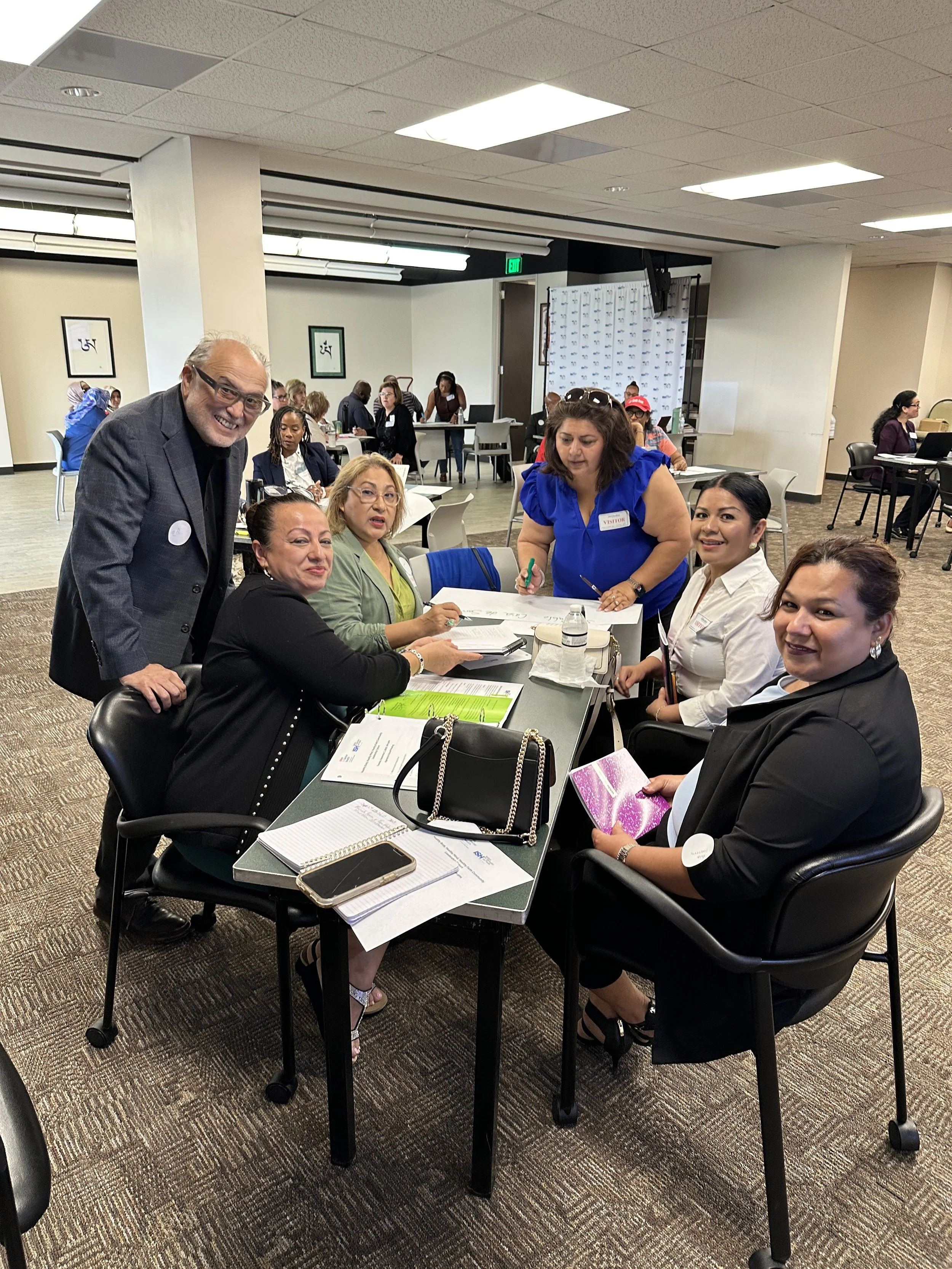
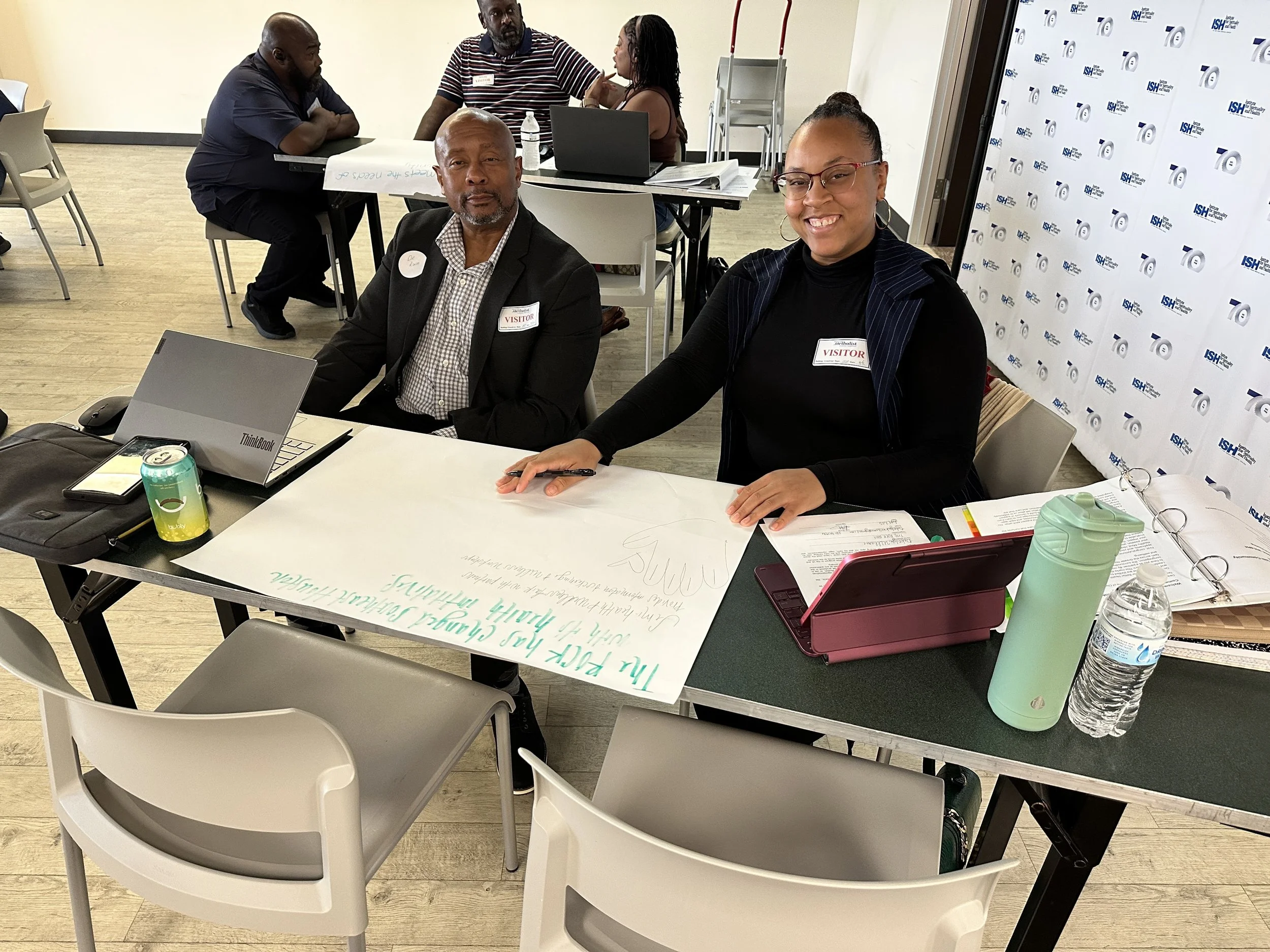
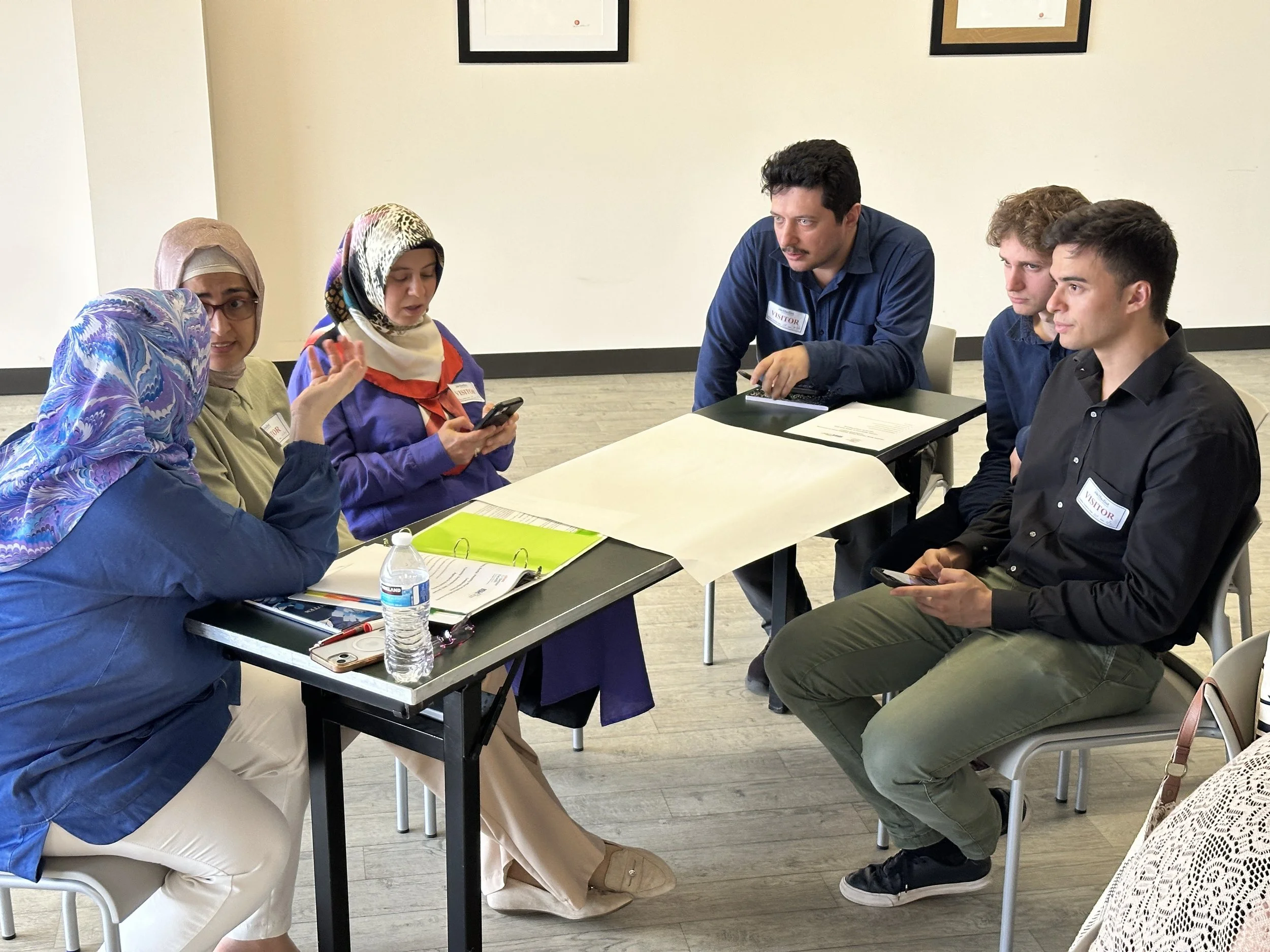
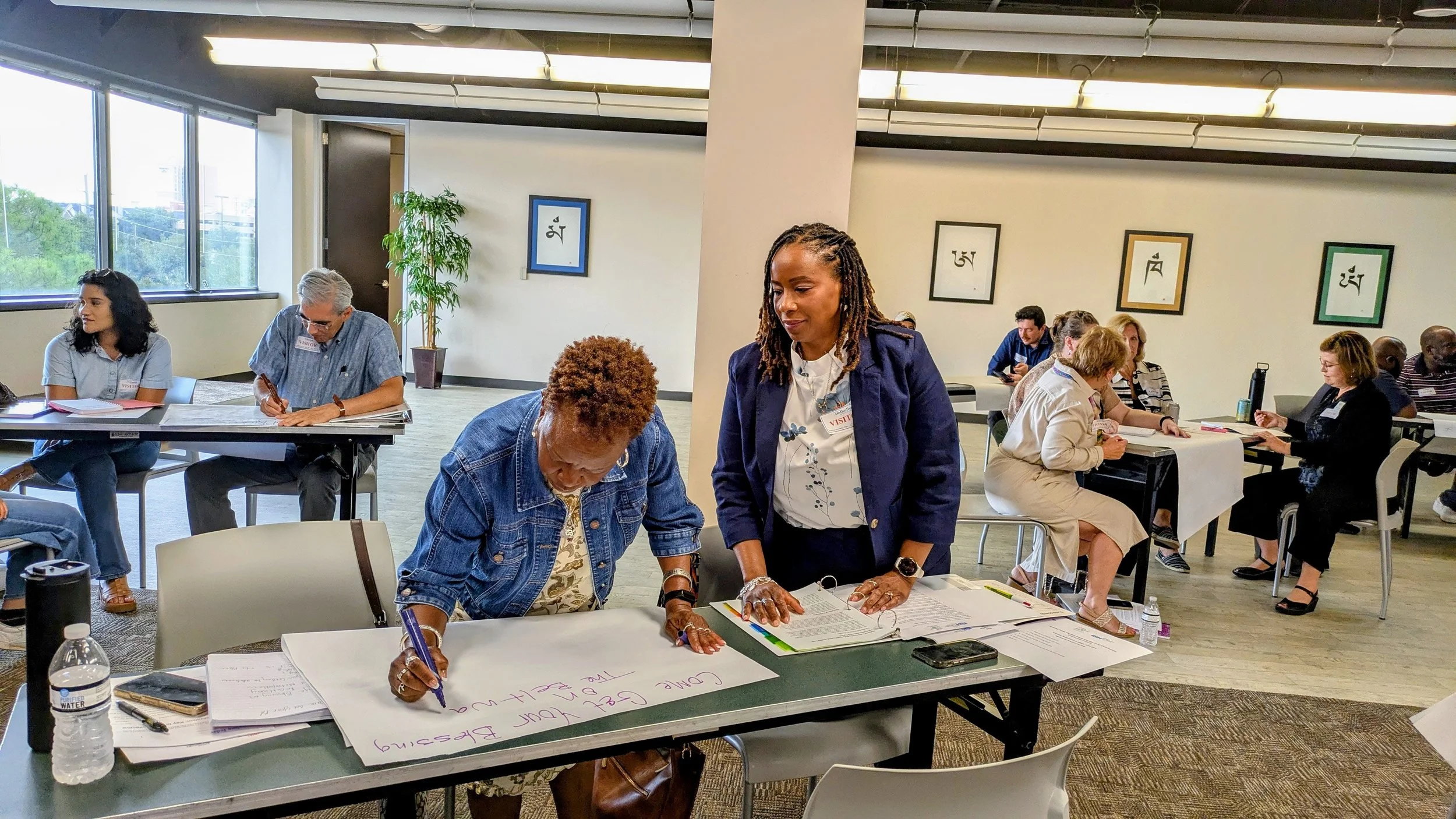
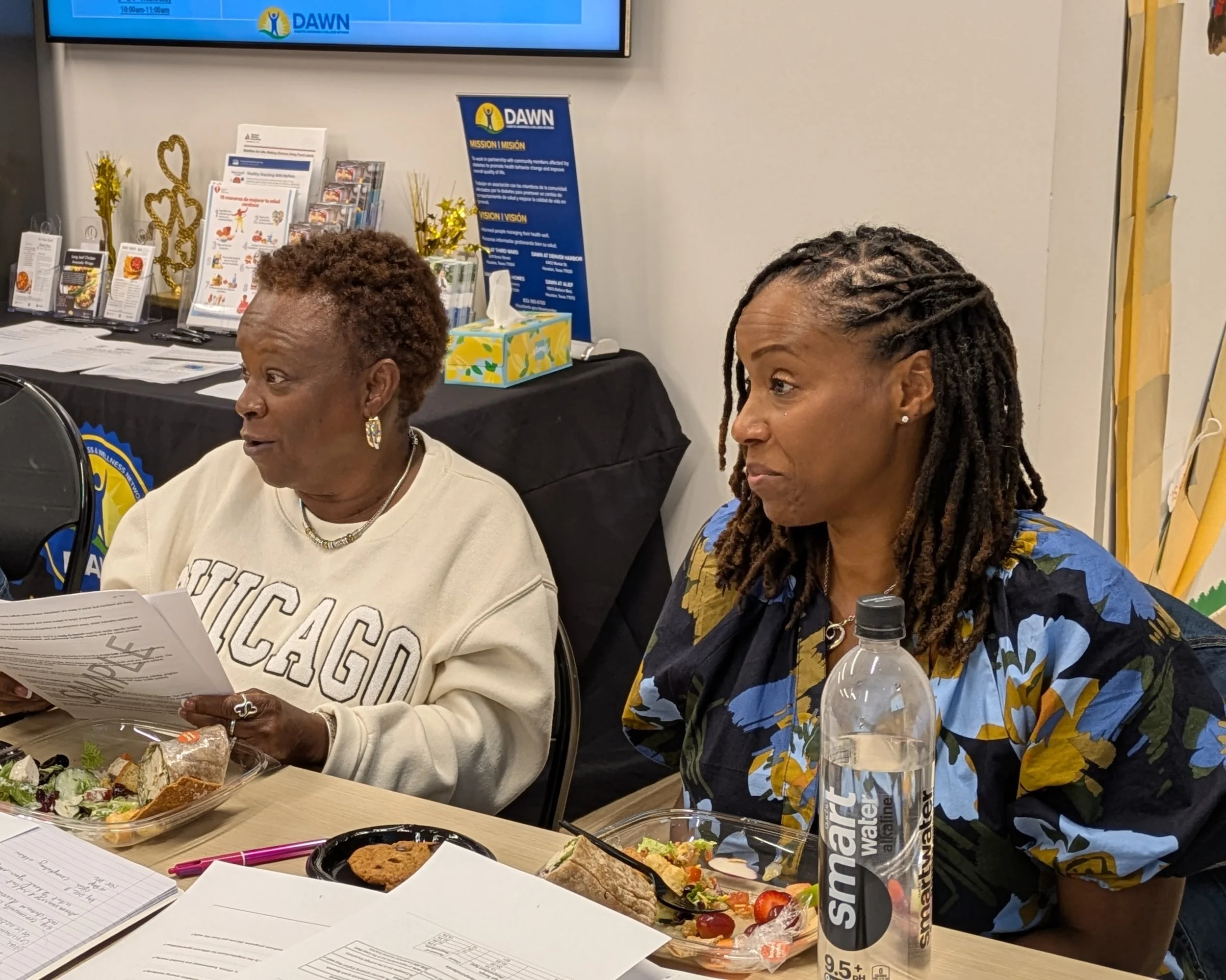
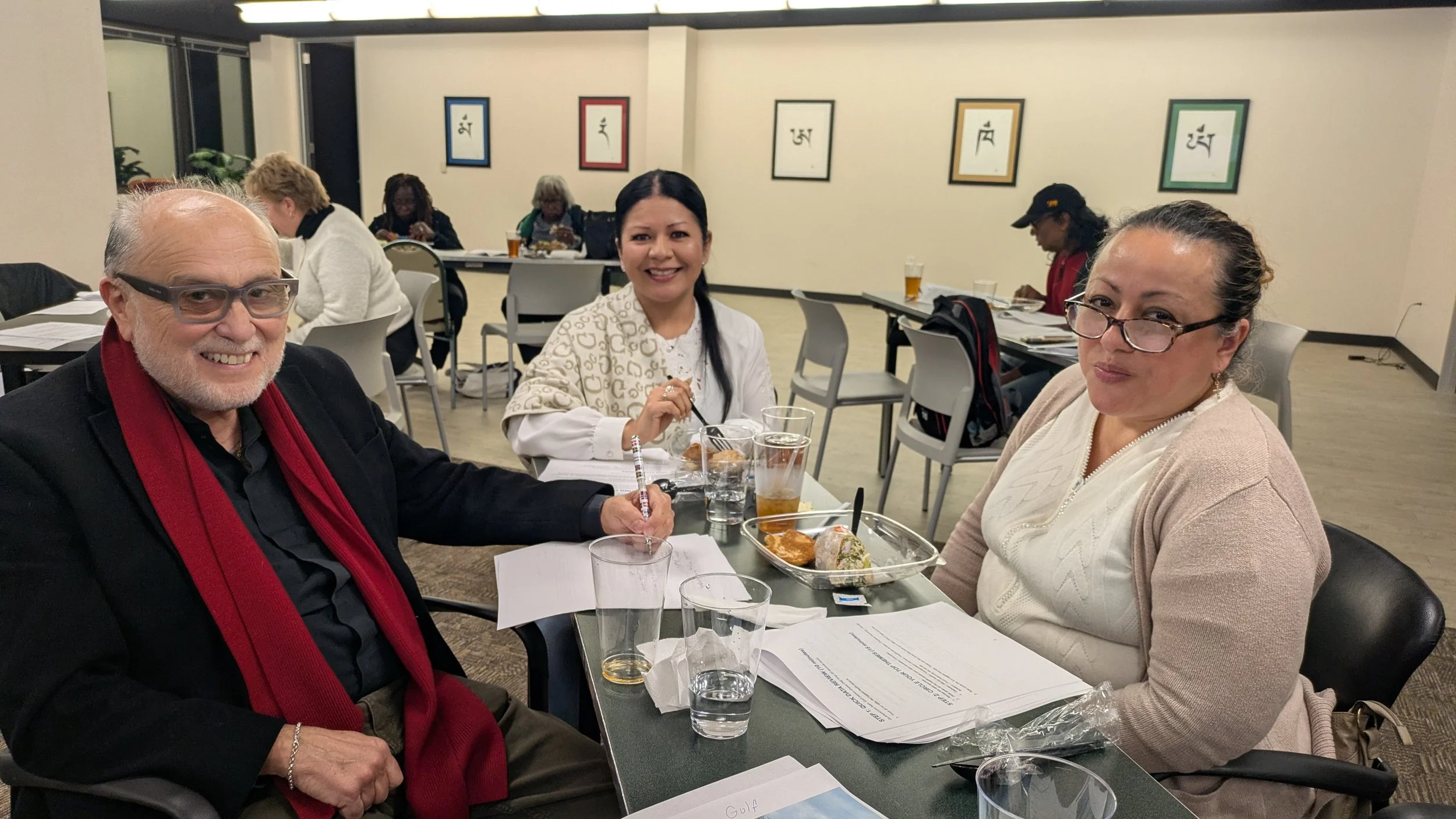
Our new flagship program has affirmed something we long suspected. Houston-area faith communities are eager to take on health disparities, not only among their own members. They want to reach the neighborhoods around them. Nine congregations, working separately, named the same needs and wrote plans that turn outward, into enrollment centers, food access, and weekly gatherings open to the wider community. And they are not alone. Public health departments, clinics, and community organizations have joined them in the same idea: that a house of faith can be a supersetting for prevention, a place where health becomes part of everyday community life. Their first meetings have grown into real partnerships, built on each congregation's own data.
Houses of faith as supersettings for prevention
The Healthy Body, Healthy Mind, Healthy Faith Community Leadership Cohort prepares clergy and lay leaders to act as health partners for their neighborhoods. Applications for Cohort 2, launching Fall 2026, are open.
Apply by Friday, August 28 at Midnight
The Program
A two-year arc that turns each congregation into a supersetting for prevention.
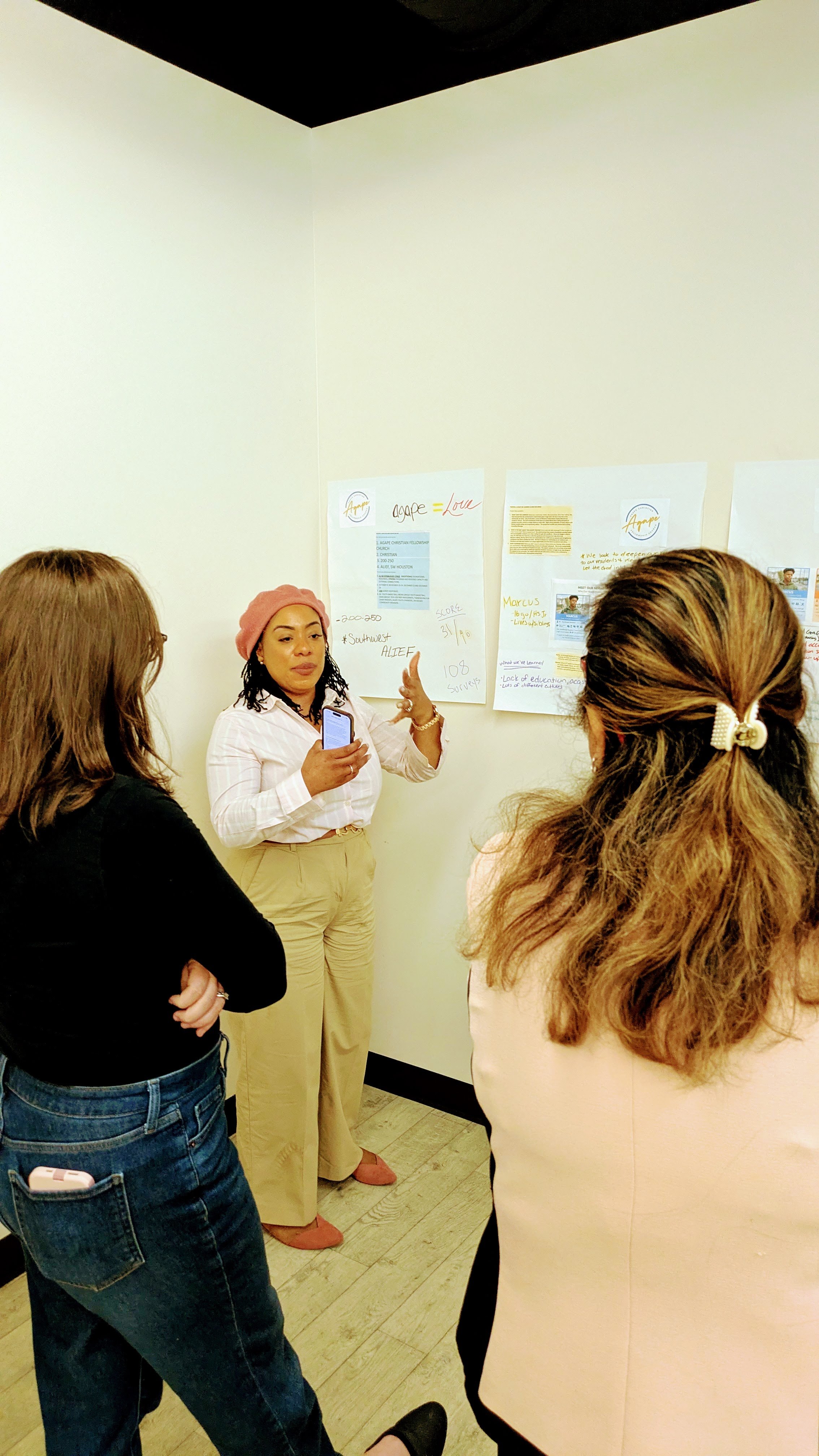
Across Greater Houston, the people most able to reach the neighbors who need care the most already live and worship there. They translate, explain, and connect. What they have rarely had is a structured way to turn that trust into a FaithHealth Improvement Plan, and a network of partners standing ready behind it.
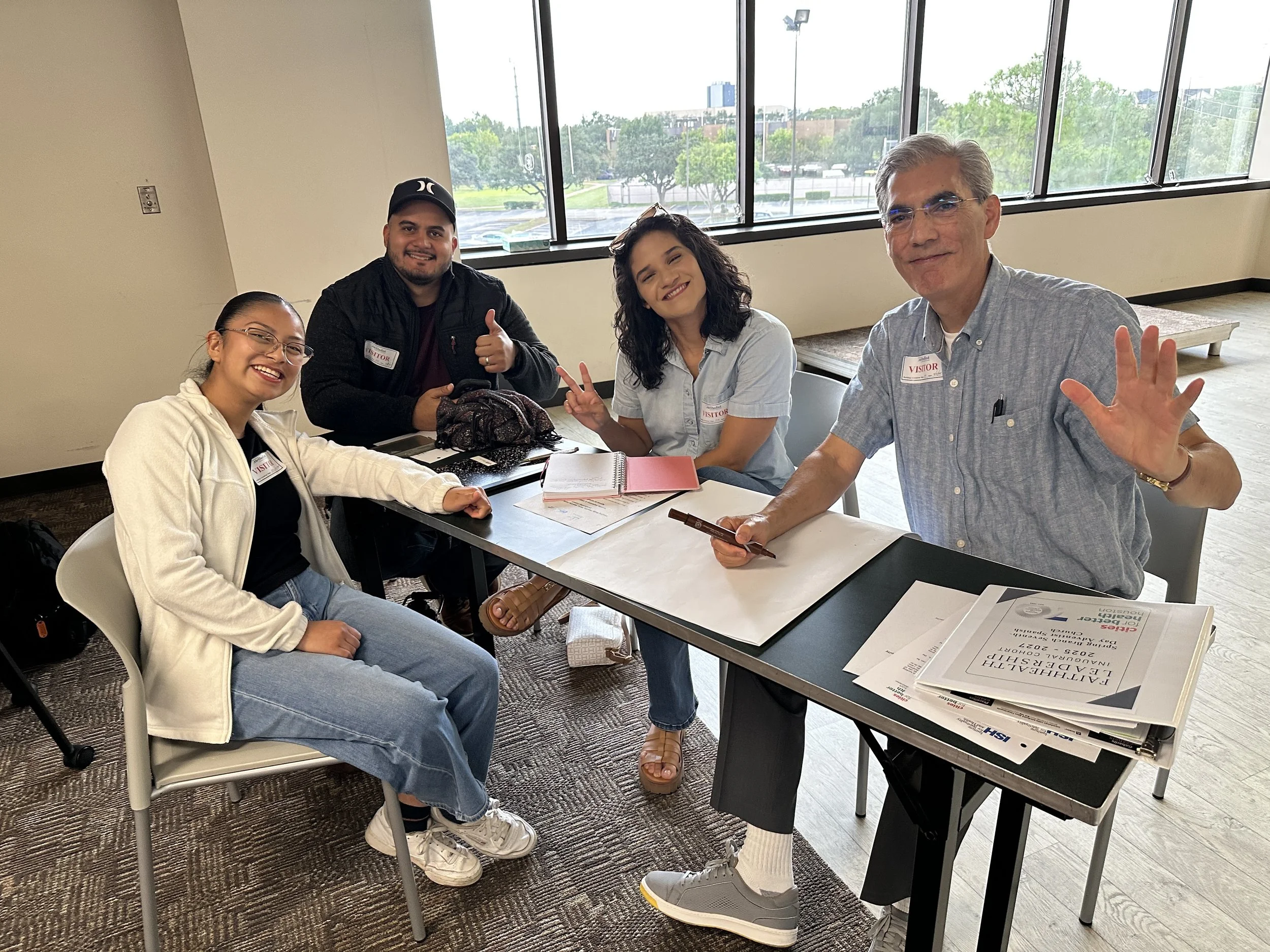
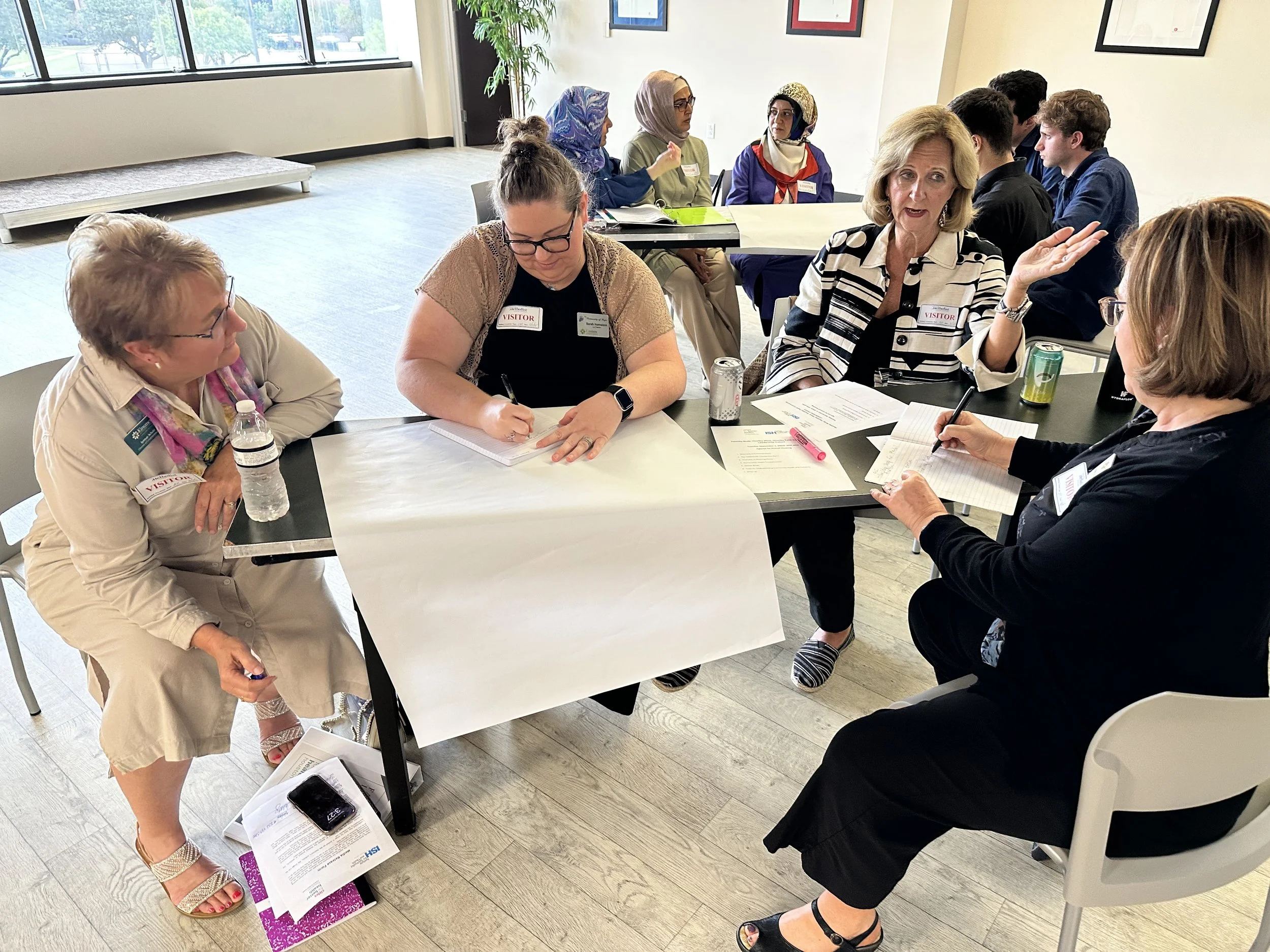
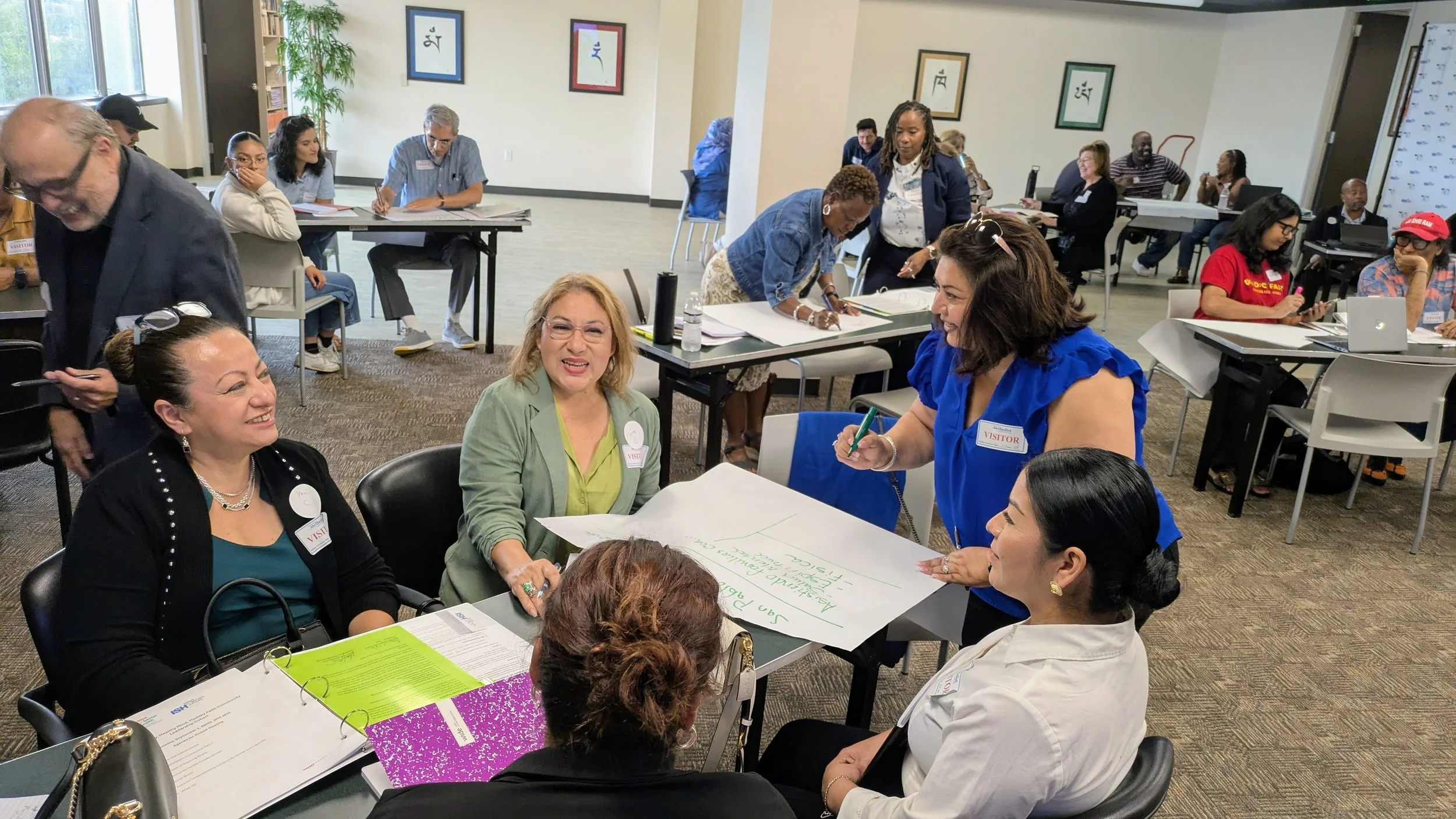
This cohort, led by the Institute for Spirituality and Health at the Texas Medical Center, gives a small team from each congregation that structure. Over two years, teams move from assessment to a written five-year FaithHealth Improvement Plan, and then into implementation, supported by hands-on, bilingual facilitation the whole way.
The work grew out of two years of listening. In community conversations funded by the Cullen Trust for Health Care across Harris County, congregants named church life as the single most important driver of their health, ahead of doctors and clinics. The cohort was designed as the answer: strengthen the congregation from within first, then connect it to the wider health system.
The goal of the cohort is to turn houses of faith into supersettings for prevention, places where health is built into the life of the community, not added on top of it.
This work sits within Cities for Better Health, a global program funded by Novo Nordisk that works to promote health equity, expand prevention, and remove the barriers that keep many people, including children, from good health. Houston joined in 2014 as the third city, after Mexico City and Copenhagen, and more than 50 cities now take part worldwide. Learn more at citiesforbetterhealth.com
What a team commits to
A team of clergy and lay leaders who carry the work for two years.
Completing the assessment-to-plan sequence with staff support.
Hosting the community survey in the congregation's own languages.
Moving the plan into real programming, congregation by congregation.
The Process
Every team completes the same sequence. The instruments are adapted from UTHealth School of Public Health research tools and the Cities for Better Health neighborhood walking tool first developed in Philadelphia.
Capacity self-assessment. An organizational readiness baseline, so the team knows its own starting point.
FaithHealth Community Survey. A 49-question survey offered in the congregation's languages. Cohort 1 gathered 1,012 responses.
Neighborhood walk. Teams walk their surrounding blocks at eye level, looking at sidewalks, parks, food access, and safety.
State of health profile. Public health data on local disparities, congregation by congregation.
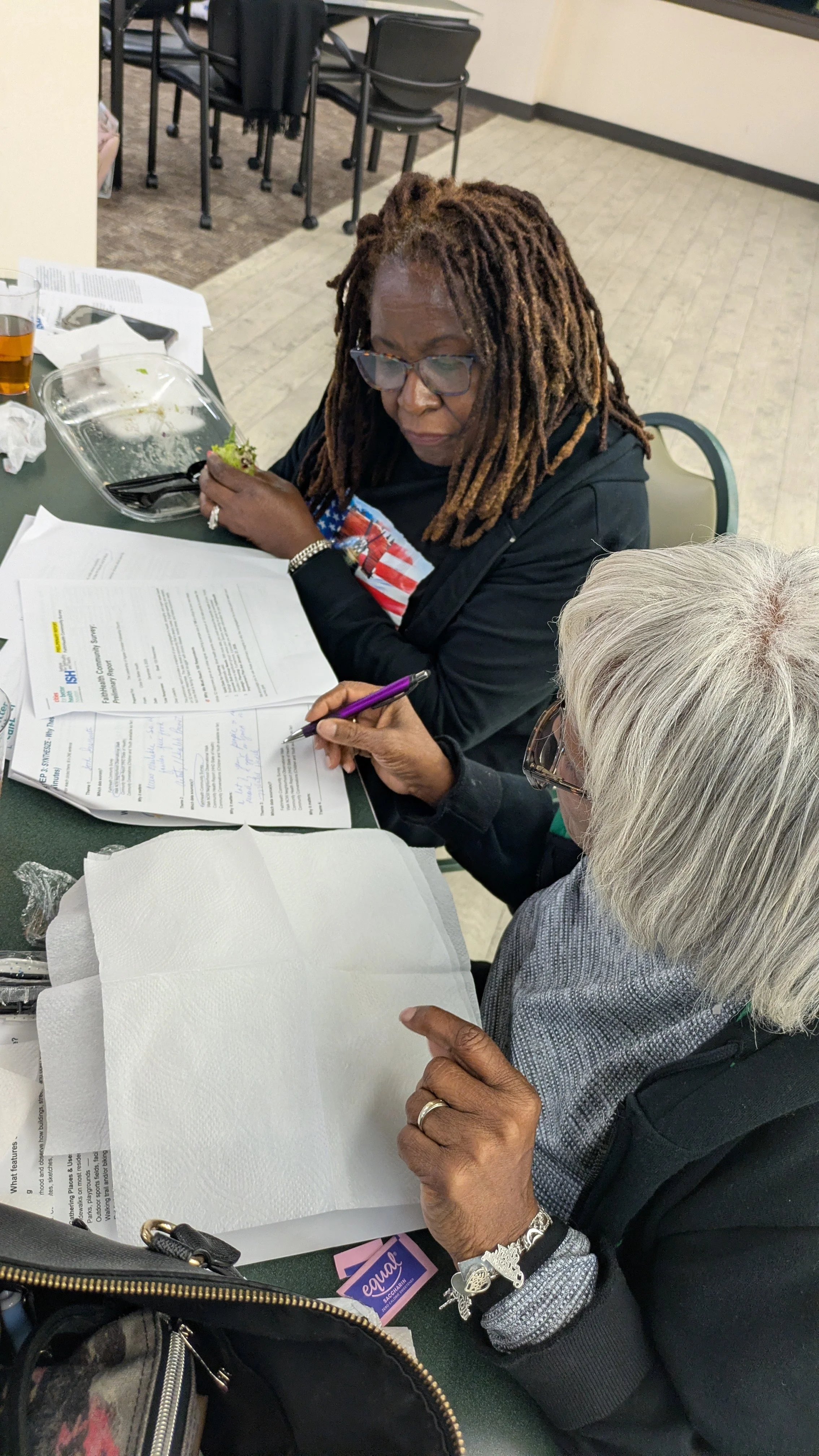
Community conversations. Listening sessions surface the top health challenges in members' own words.
FaithHealth Improvement Plan. A five-year plan with goals, programs, and accountability, written by the team.
Partner matching. The Cities for Better Health team matches each plan to partner programs and convenes the first meetings.
The plans then move into programming over the second year, with each team in the lead. Assessment and planning run from September 2026 to February 2027, the first programs from March to June 2027, expanded programs from September 2027 to March 2028, and final projects from April to July 2028.
The Participants
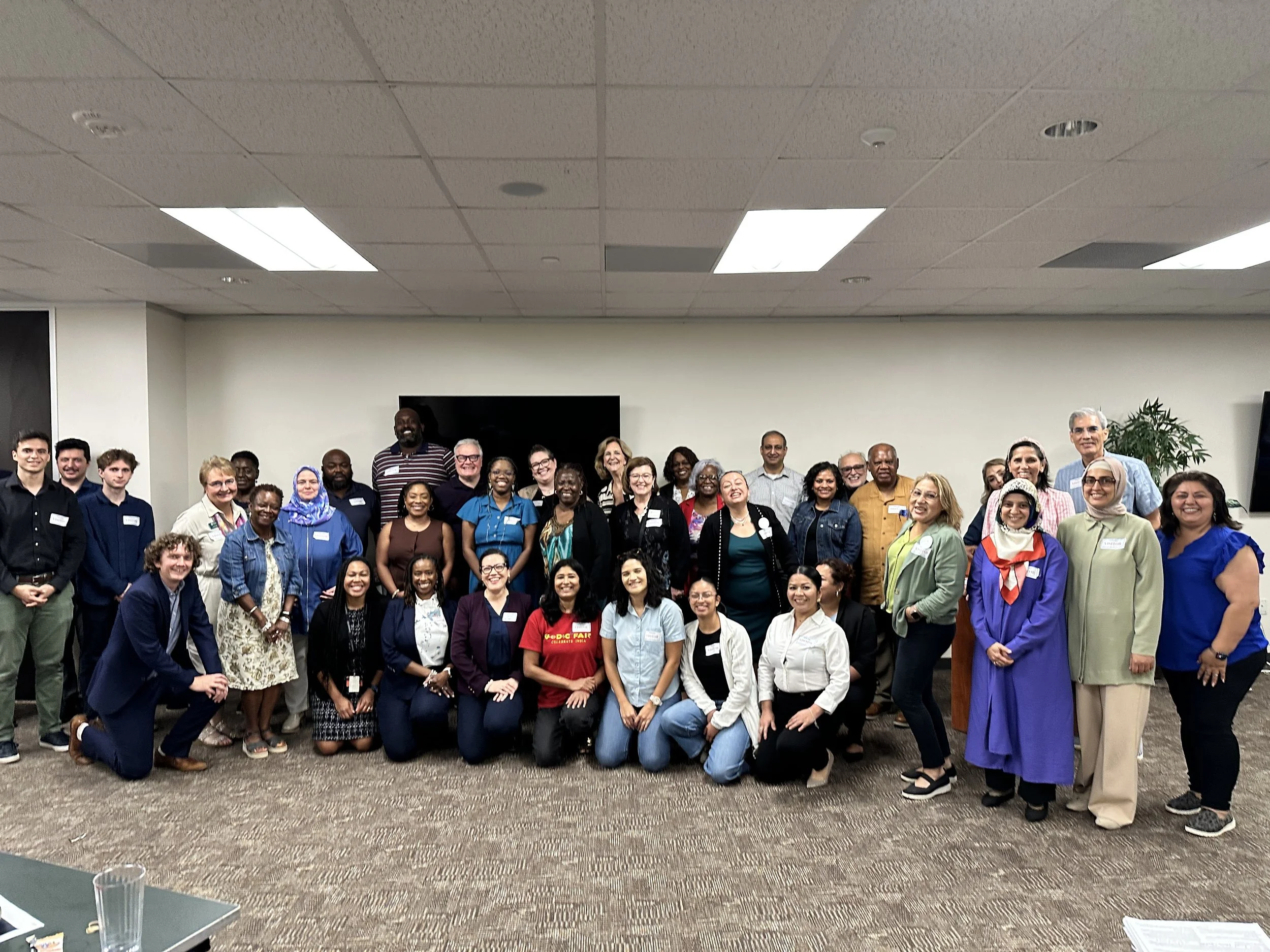
Nine congregations, six faith traditions, three languages.
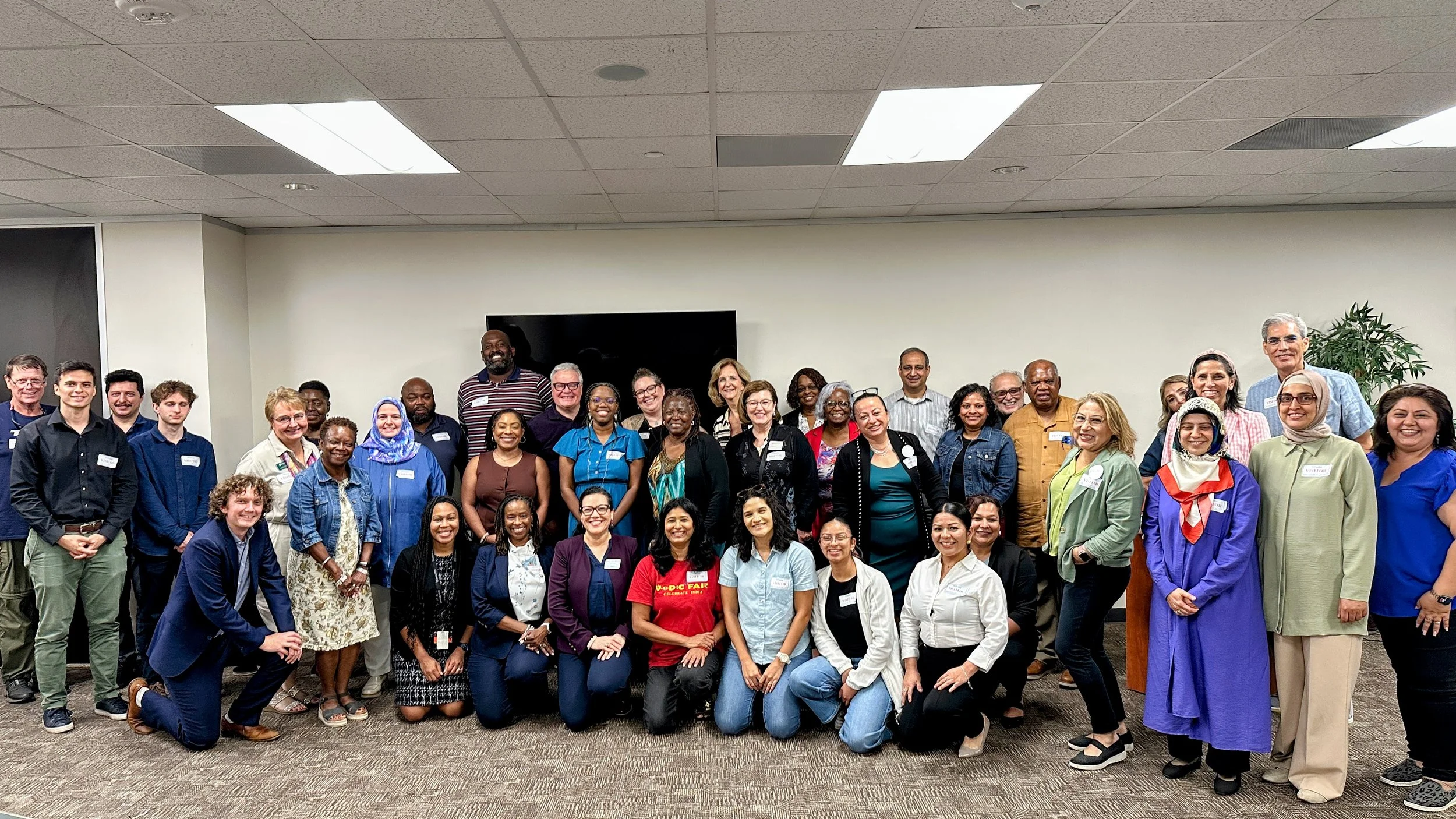
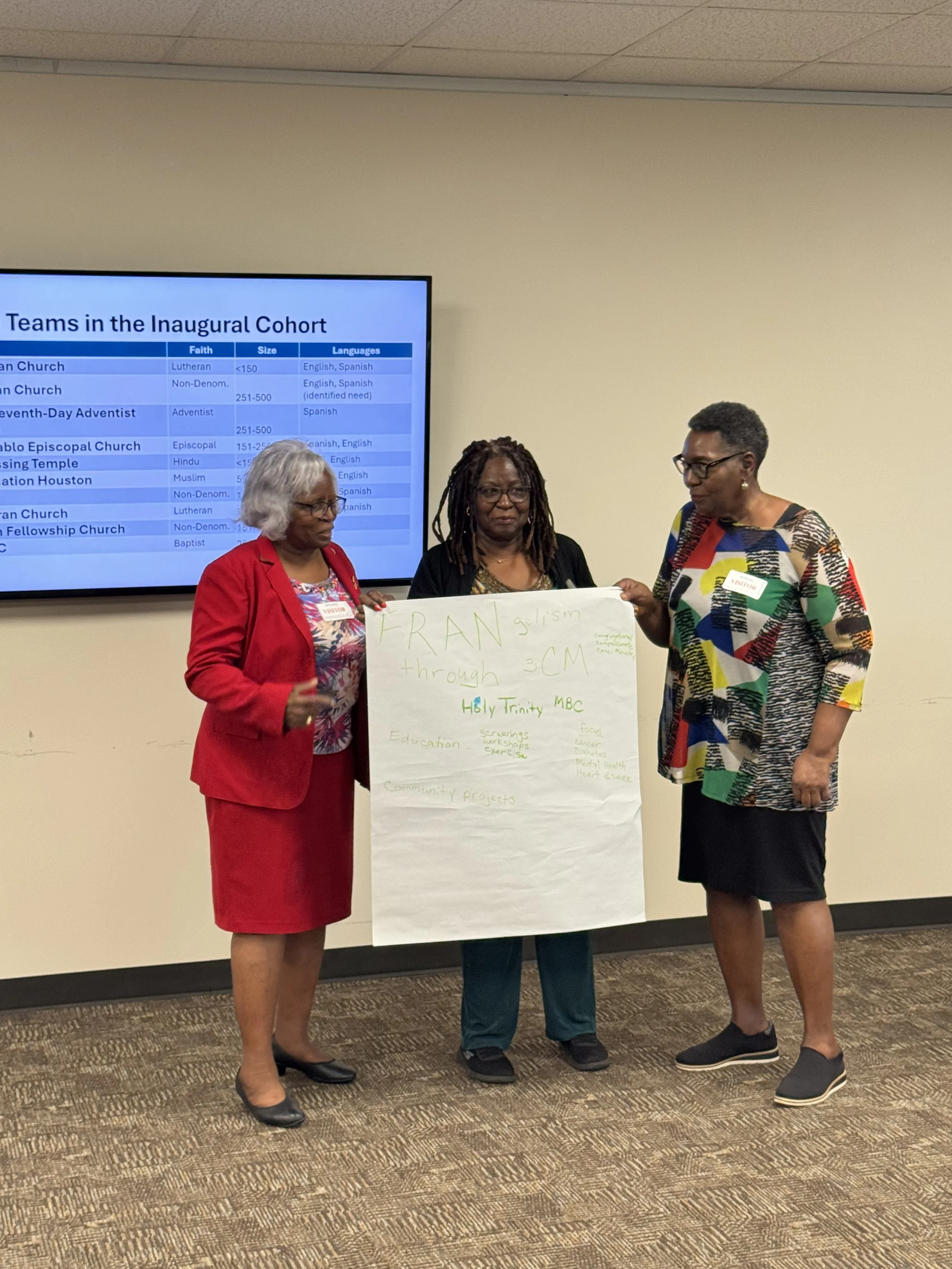
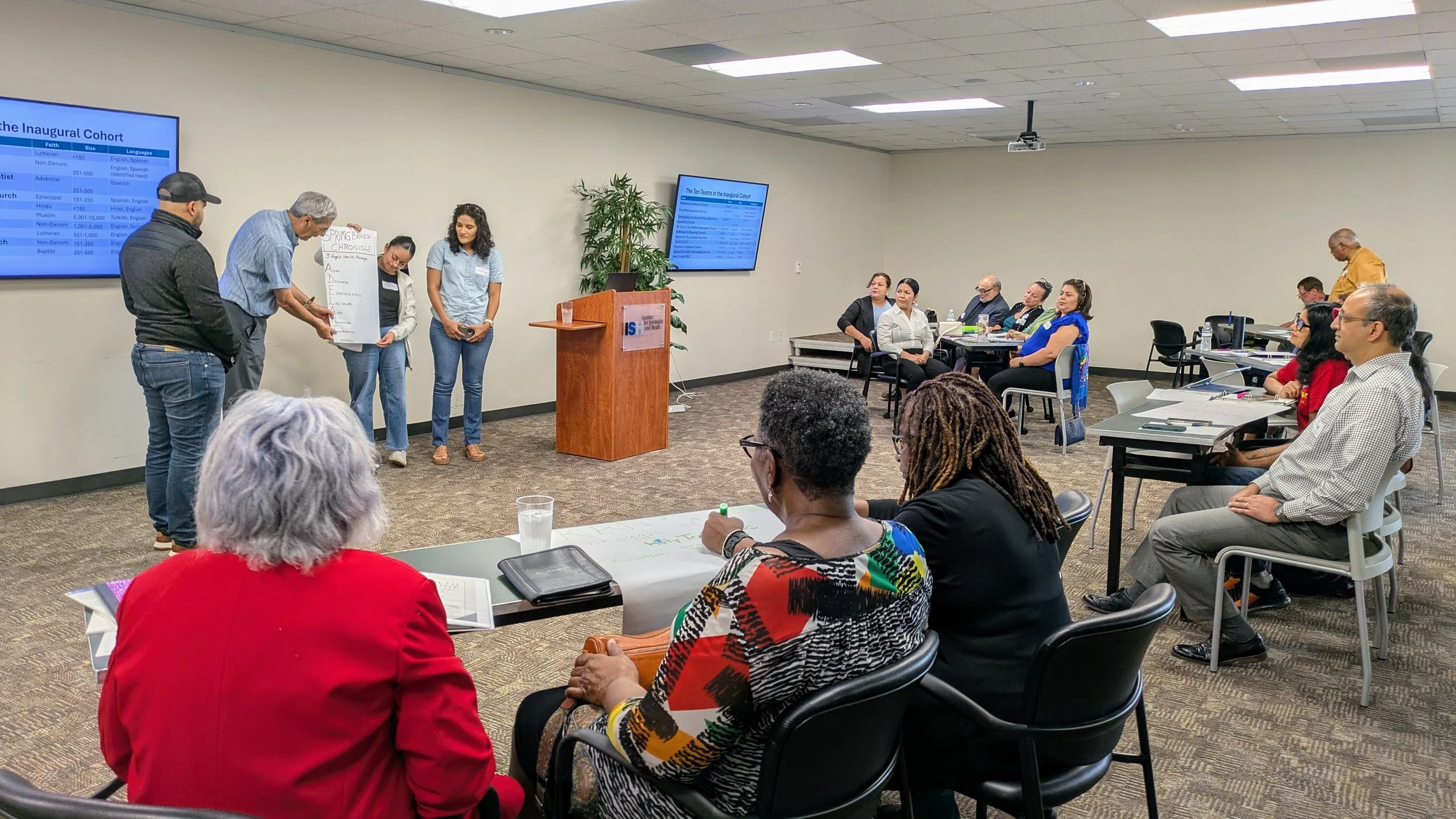
Cohort 1 brought together congregations of very different sizes and backgrounds. Working independently, every team named the same needs: mental health, chronic disease, food security, and access to care. All nine presented their five-year plans publicly in February 2026, and afterward every team leader said they would recommend the cohort to another congregation.
See the nine congregations in the FAQ.
What the 1,012 survey responses revealed, including two very different disparity patterns behind the plans, is detailed in the FAQ.
From the Field
We are grateful to the Cohort 1 teams for their trust and their hard work. Here is what some of their leaders say.
“Being part of this Cities for Better Health program has been a blessing that allows us to care for our community holistically. This partnership provides a sanctuary for mental health, helping us heal the emotional burdens of migration together. With guidance and faith, living with well-being is possible, regardless of economic limitations.”
“Cities for Better Health transformed Agape from reactive compassion to strategic action. We now possess data-driven priorities, formalized partnerships, and concrete timelines. Faith communities, when equipped with professional support, can serve as powerful engines of health equity.”
“Our participation revealed a critical truth: having health insurance and a primary care provider does not guarantee health. Our motivated health ministry team and our completed FaithHealth Improvement Plan position us to generate compelling outcome data.”
The Partners
A network already in place behind every plan. A congregation that joins the cohort does not have to build these relationships alone. Each plan is matched to partners across public health, clinical care, academic training, and disease and mental health organizations. The full list is in the FAQ.
Supported by braided philanthropy. The program is anchored by Novo Nordisk through Cities for Better Health. We are building a braided funding strategy, meaning support woven together from several funders, so local philanthropies can support both our work and the participating faith communities.
What's Next: Cohort 2, Fall 2026
We are holding seats for the next congregations.
Cohort 2 launches this fall. We are inviting Houston-area congregations that genuinely need this work and are ready to commit a small team to it. It would be a privilege to walk alongside you.
Before you apply, it is worth asking yourselves one question. What would being part of this cohort make possible that your congregation cannot do on its own right now?
What a Cohort 2 congregation receives
The full assessment-to-plan process, ending in a five-year FaithHealth Improvement Plan.
The FaithHealth Community Survey in the congregation's own languages.
Hands-on, bilingual staff facilitation through the whole arc.
Entry into the partner network: health departments, Harris Health, clinics, and disease and mental health organizations.
What we ask of a congregation
A small team of clergy and lay leaders committed to the two-year arc.
Willingness to host the community survey and a few listening sessions.
A seat at the selection conversation, so the fit is right on both sides.
Readiness to move from plan into real programming.
Reach out to Maricela Caceres at mcaceres@ish-tmc.org if you would like to learn more about the cohort and were unable to attend any previous information session.
Apply for Cohort 2
Applications are open through Friday, August 28 at Midnight. Tell us about your congregation and the team you would bring. We will follow up to talk through fit, and we will sit with you in the selection conversation. The form takes about 20 minutes.
Apply Now!
This is sacred and practical work, and it is better done together.
If your congregation feels called to the health of its own people and its neighborhood, we would be honored to walk alongside you. Come to an information session, reach out for a conversation, or apply by Friday, August 28. We are holding a seat for you.
Contact
A Leadership Cohort of Cities for Better Health-Houston, led by the Institute for Spirituality and Health at the Texas Medical Center.
Program contact:
Maricela Caceres | mcaceres@ish-tmc.org | (713) 797-0600